

One in four parking violations blocks a space for people with disabilities.
ParkComplete uses cameras to detect whether a permit is displayed on a space for people with disabilities. If it is missing, a case with photos is created, which your staff review the next day.
Book a callOn your accessible spaces, the wrong people often park. Often it only takes a few minutes.
Municipalities, service areas and truck stops have to make sure that designated spaces for people with disabilities stay available. But manual checks catch far from every parking violation.
- “Just for a moment”To the bakery, the pharmacy, the toilet, the shop: anyone staying only a few minutes takes the nearest free space. For that time, it is missing for the person who needs it.
- Checks depend on staffChecks only happen when someone has time: at fixed hours or on the side, between shop and till. For the rest of the day, nobody looks.
- By the time someone comes, the car is goneA five-minute violation is over before anyone is on site. Without a photo and a time, it cannot be proven afterwards.
- On private land, the public order office cannot actThe operator acts alone: a contractual penalty with a clearly visible sign, or towing.
5,371proceedings in one year in Düsseldorf.
× 5That is how high we estimate the real number. There is not enough staff for more checks.
with around 1,500 spaces for people with disabilities · Source: ddorf-aktuell, 30 Oct 2024
We make the occupancy of accessible parking spaces verifiable, so they stay free for the people who need them.
- Car parkson the space for people with disabilities
- Camera captures the carArrival: 15:07
- ParkDetect checks the windscreenIs a permit there?
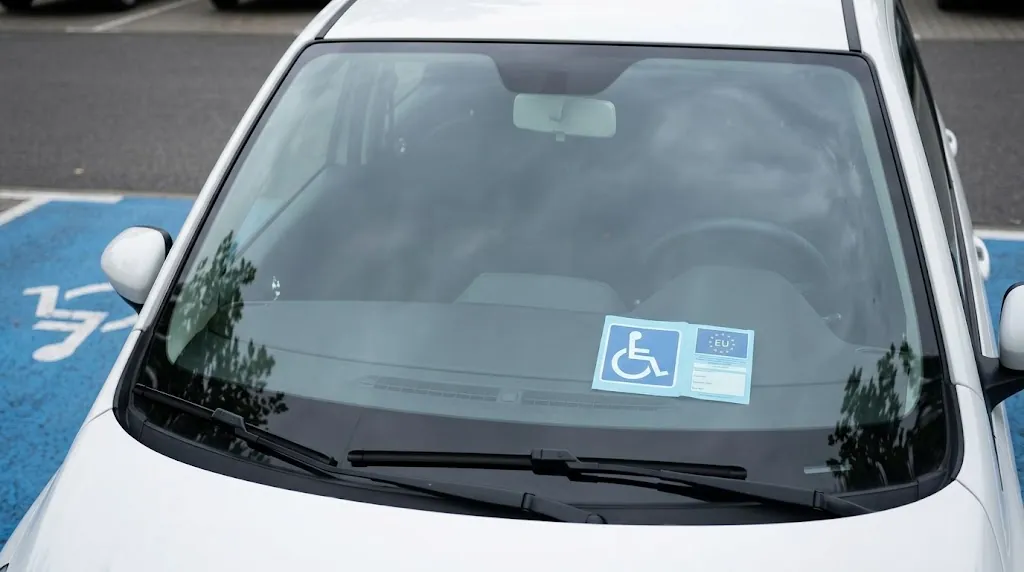
- AuthorisedThe permit is there.
- Recording is deletedThis is where the path ends.
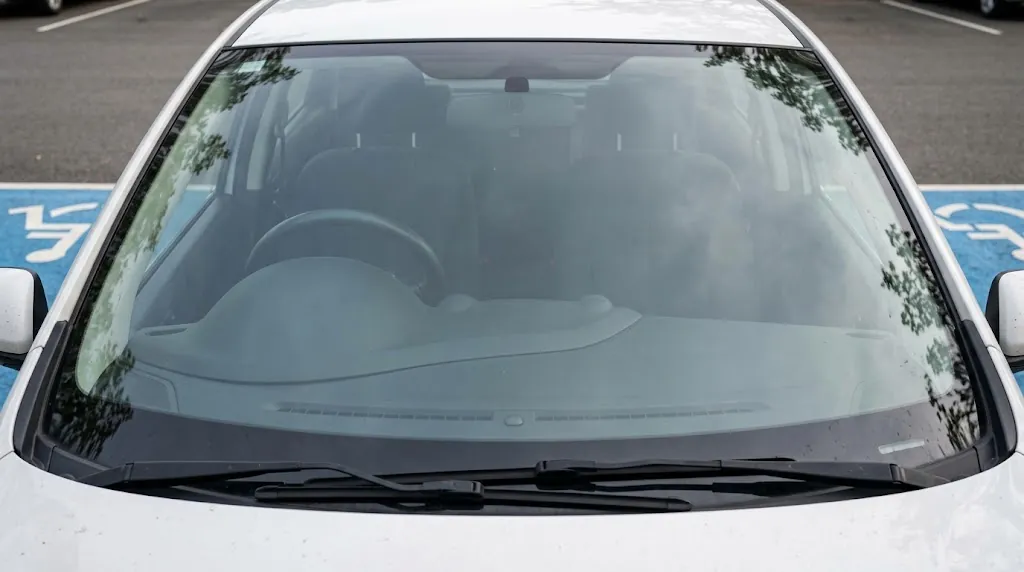
- Permit missingParkDetect creates a case with photos.
- Car drives offDeparture: 15:41 · case is prepared
- Case handler checksthe next dayCancelApprove
CityKeeper identification, then a fine
LandownerKeeper identification or collection
The pilot suits you if many people stop on your spaces just for a moment.
- Cities and municipalities with many spaces for people with disabilities, for example at offices, hospitals, stations and in the city centre
- Cities that tackle the issue visibly: mayors, disability commissioners and public order offices
- Truck stops and service areas with lots of short-term traffic at shop, toilet and restaurant
- Private land such as hospitals and supermarkets